
Ghana’s Groundbreaking Policy Shift in the Cashew Sector: What It Means for the Future
Ghana has officially declared that it will no longer export raw cashew nuts, as part of a broader strategy to strengthen domestic value addition and industrial processing.
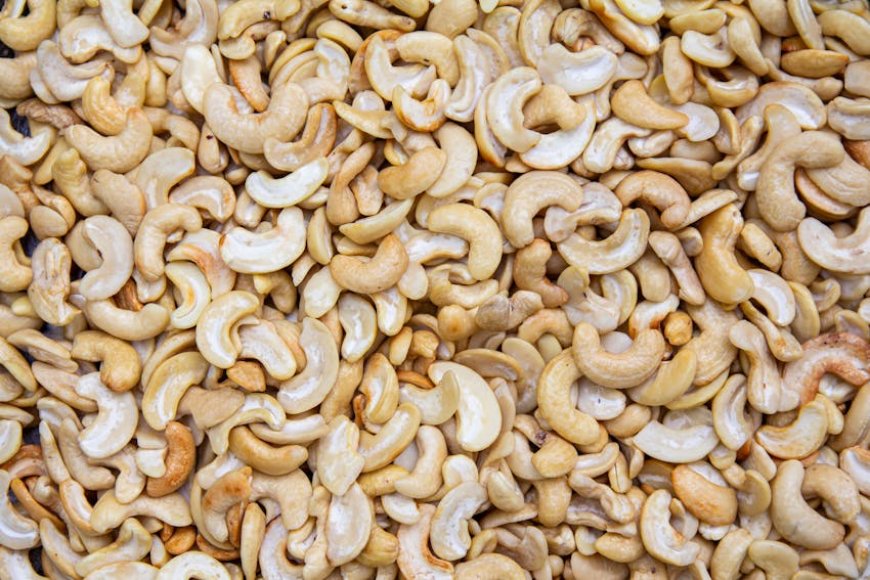
Ghana, known for its rich agricultural heritage, has recently made headlines with a monumental policy shift in its cashew industry. This move is set to redefine the future of cashew production, processing, and export, benefiting both local farmers and the nation’s economy. As one of the largest cashew producers in Africa, this policy change will significantly impact the global cashew market. Here’s a closer look at the details of this new policy, the potential benefits, and what it means for Ghana and the world at large.
The Significance of the Cashew Sector in Ghana
Cashew farming has long been a cornerstone of Ghana’s agricultural economy, contributing significantly to rural livelihoods and national revenue. The country is among the top cashew producers in Africa, with the sector employing thousands of smallholder farmers across its regions. However, despite its potential, Ghana's cashew industry has faced challenges such as limited processing capacity, low-quality exports, and over-reliance on raw cashew nut exports. These issues have hindered the full economic potential of the sector.
The New Policy: A Game-Changer for Ghana’s Cashew Industry
The Ghanaian government’s new policy marks a significant shift in its approach to the cashew sector. Under this policy, the focus will be on transforming Ghana from a raw cashew exporter to a key player in the global processed cashew market. The government plans to introduce several strategic initiatives, including:
- Increased Investment in Processing Facilities: Ghana will invest heavily in expanding its cashew processing capacity, aiming to add value locally rather than exporting raw cashews. This move is expected to create jobs, improve the quality of products, and increase revenue from the sector.
- Support for Local Farmers: A major aspect of the policy is the empowerment of cashew farmers. The government plans to provide better access to training, resources, and financing to improve productivity and ensure that farmers are part of the value-added supply chain.
- Enhanced Infrastructure: Investments in infrastructure—such as roads, storage facilities, and transportation—will facilitate better access to markets, both locally and internationally. This will help in reducing post-harvest losses and ensuring that the harvested cashews reach processors in good condition.
- International Partnerships and Market Expansion: The policy also focuses on forging international partnerships to ensure that processed Ghanaian cashews have a significant presence in global markets. By leveraging its position as a major producer, Ghana aims to capture a larger share of the cashew value chain.
- Regulatory Reforms: To foster a more competitive and transparent market, the government will implement regulatory reforms to streamline cashew production, processing, and export practices. This includes the establishment of industry standards, quality control measures, and the reduction of bureaucratic bottlenecks.
The Benefits of the Policy Shift
This transformative policy has the potential to bring numerous benefits to Ghana:
- Economic Growth: By moving up the value chain, Ghana will be able to earn higher revenues from processed cashew exports. This shift will contribute to the diversification of the nation’s economy, reducing dependence on cocoa and gold exports.
- Job Creation: Expanding the cashew processing sector will create thousands of jobs in both the rural and urban areas. These jobs will range from farming and processing to logistics, packaging, and export, providing opportunities across various skill levels.
- Improved Farmer Livelihoods: With better access to training, technology, and financing, farmers will be able to increase their yields and produce higher-quality cashews. This will lead to increased income for smallholder farmers and improved living standards for rural communities.
- Sustainability and Environmental Impact: The policy is also aligned with sustainable agriculture practices. By promoting local processing, Ghana can reduce its carbon footprint related to transportation and the export of raw cashews. Moreover, a focus on responsible farming techniques will ensure the long-term viability of cashew farming in the country.
- Global Competitiveness: By processing more of its cashew crop locally, Ghana will be able to compete with other major producers like India, Vietnam, and Brazil in the global market. This will improve the country's standing in international trade and strengthen its position as a leader in the cashew industry.
Challenges and Opportunities
While the policy shift brings a wealth of opportunities, it also presents some challenges. For instance, the investment required to establish large-scale processing facilities will be substantial. The government will need to secure both domestic and international funding to make these plans a reality. Furthermore, ensuring that smallholder farmers are adequately supported throughout the transition will require continuous monitoring and intervention.
Nevertheless, the policy shift also presents immense opportunities for both the private and public sectors. Entrepreneurs and investors in the cashew value chain, particularly those in processing and packaging, will find new avenues for growth. Additionally, with the right investment in research and development, Ghana could emerge as a hub for innovative cashew processing technologies and products.
Conclusion
Ghana’s new policy on cashew production and processing is a pivotal moment for the country’s agricultural sector. By investing in value addition, expanding processing capacity, and supporting farmers, the government is positioning Ghana to become a major player in the global cashew market. This policy shift promises to drive economic growth, create jobs, and improve the livelihoods of thousands of Ghanaian farmers. As the world looks for more sustainable and efficient supply chains, Ghana’s proactive approach could serve as a model for other nations seeking to unlock the full potential of their agricultural sectors.
With the right combination of investment, infrastructure, and innovation, Ghana’s cashew industry is poised for a bright and prosperous future.
Stay tuned for updates on Ghana's cashew sector as the new policy unfolds and transforms the landscape of agriculture in West Africa!










Comments (0)