
Rules for Importing Fast-Moving Consumer Goods into Ghana
The following are the specific steps required to import a good into Ghana
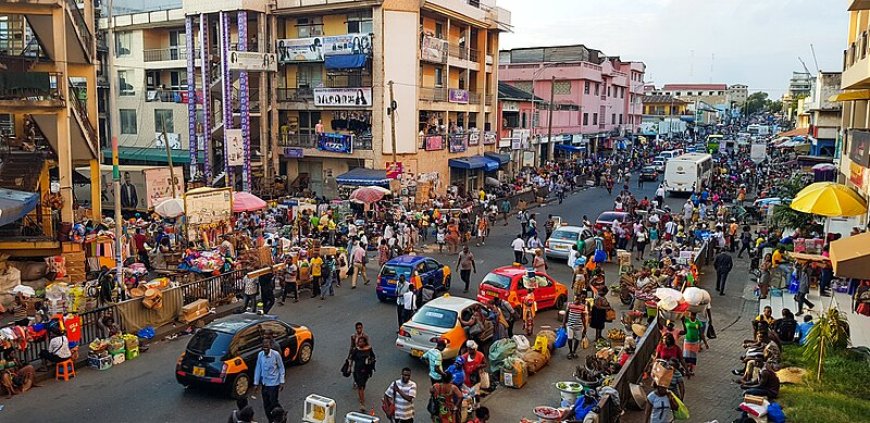
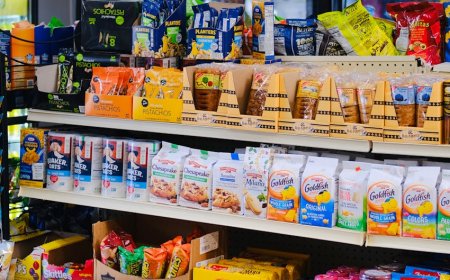
The Fast-Moving Consumer Goods (FMCG) sector in Ghana is one of the most active and competitive spaces in the market. From packaged foods and beverages to cosmetics, detergents, and personal care products, consumer demand remains strong year-round. For entrepreneurs, importing FMCGs can be highly profitable. However, it is also one of the most tightly regulated categories of imports in Ghana.
If you are planning to enter this space, compliance must be your priority.
The starting point is formal business registration. Any company intending to import goods into Ghana must be legally registered with the Registrar General’s Department. This gives your business legal recognition and allows you to operate within the country’s commercial framework. Most serious importers choose to register as limited liability companies to enhance credibility and protect personal liability. Registration with the Registrar General’s Department is also required to get an import license.
After registration, obtaining a Tax Identification Number (TIN) from the Ghana Revenue Authority is mandatory. The Ghana Revenue Authority oversees customs operations, meaning every product you import must be declared through its systems. Without a TIN and proper customs registration, you cannot clear goods at the port.
Because FMCGs are consumed directly by the public, regulatory scrutiny is higher than in many other sectors. One of the key institutions you will deal with is the Food and Drugs Authority. If you are importing food products, beverages, cosmetics, pharmaceuticals, or household chemical products, they must be registered and approved before they can legally be sold in Ghana.
Product registration typically involves submitting product samples, ingredient lists, manufacturing details, certificates of analysis, and labelling information. The FDA assesses whether the products meet Ghana’s safety and health standards. Importing unregistered products can result in seizure, fines, or blacklisting.
Standards compliance is another important layer. The Ghana Standards Authority ensures that imported goods meet national quality benchmarks. Some FMCG products may require conformity assessment or inspection before shipment. This helps prevent substandard or counterfeit goods from entering the Ghanaian market.
Labelling requirements are especially critical in the FMCG sector. Products must typically display clear information such as ingredients, manufacturing and expiry dates, batch numbers, country of origin, and manufacturer details. Labels must be in English and must not contain misleading claims. Non-compliant labelling is one of the most common causes of delays at the port.
Environmental regulations may also apply, depending on the product type. For example, goods packaged in plastic or products that fall under chemical classifications may require alignment with guidelines from the Environmental Protection Agency of Ghana. This is particularly relevant for cleaning products, aerosols, and items with environmental impact considerations.
Before your shipment leaves the country of export, proper import documentation must be processed through Ghana’s customs system under the supervision of the Ghana Revenue Authority. Accurate product classification determines the duties, VAT, and other statutory levies you will pay. Misclassification can lead to reassessment and costly delays.
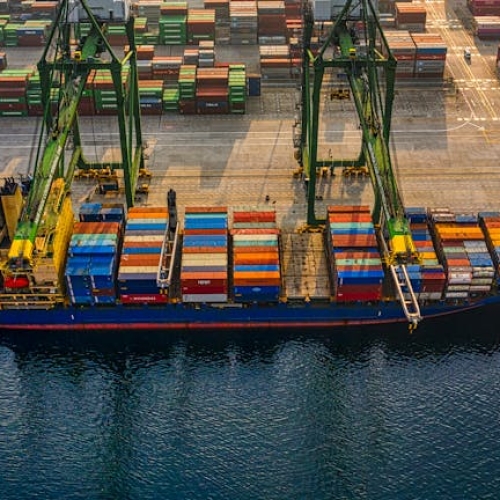
Most FMCG shipments enter Ghana through Tema Port or Takoradi Port. At the port, customs officials may inspect goods to confirm that they match the documentation submitted. Having complete paperwork, including invoices, certificates of origin, and regulatory approvals, greatly reduces the risk of clearance issues.
Because FMCGs move quickly and operate on tight margins, understanding your total landed cost is essential. Import duties, VAT, levies, port charges, and clearance fees must all be factored into your pricing strategy. Many new importers underestimate these costs, which can significantly affect profitability.
For this reason, working with experienced clearing agents and regulatory consultants is common practice in the FMCG sector. They help ensure that product registrations, customs declarations, labelling requirements, and inspections are handled correctly from the start. Find verified clearing agents in Ghana on ExporterIQ
Importing fast-moving consumer goods into Ghana is not just about sourcing popular brands or competitive pricing. It requires careful navigation of regulatory approvals, product registrations, customs processes, and ongoing compliance obligations. When you build your import business on a strong compliance foundation, you protect your investment, strengthen your reputation, and position yourself for sustainable growth in one of Ghana’s most dynamic markets.







Comments (0)