
Doing Business in the UAE – Market Overview
the UAE acts as a gateway to more than two billion consumers across the Middle East, South Asia, and East Africa
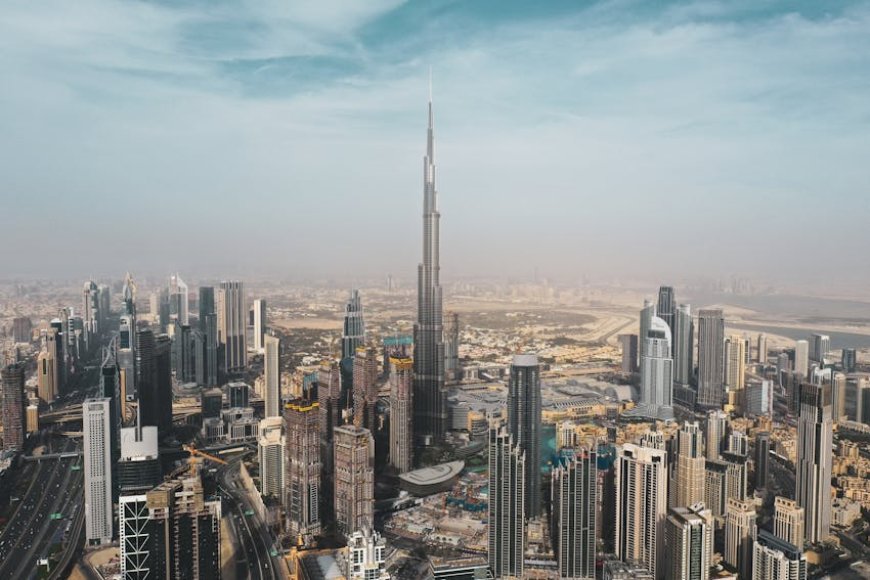
The United Arab Emirates has evolved into one of the world’s most dynamic trade and investment hubs. With its strategic location between Europe, Asia, and Africa, the UAE acts as a gateway to more than two billion consumers across the Middle East, South Asia, and East Africa. Its modern infrastructure, business‑friendly regulations, and diversified economy make it a natural destination for UK exporters seeking long‑term commercial partnerships.
The country’s leadership continues to invest heavily in logistics, renewable energy, digital transformation, and advanced manufacturing. Free zones, 100% foreign ownership in many sectors, and a transparent regulatory environment further strengthen the UAE’s appeal. For UK companies, the market offers a blend of high purchasing power, strong demand for premium goods, and a deep appreciation for British quality and expertise.
Market Challenges
While the UAE is one of the easiest places to do business in the region, exporters should be aware of several challenges:
- High competition from global suppliers, especially in technology, construction, and consumer goods.
- Price sensitivity in certain sectors, particularly commodities and mass‑market products.
- Complex distribution networks, where relationships and local partnerships often determine success.
- Regulatory variations between emirates and free zones.
- Cultural expectations, including relationship‑building, trust, and long‑term engagement.
Understanding these nuances helps UK exporters position themselves effectively and avoid common market‑entry pitfalls.
Market Opportunities
The UAE’s economic diversification agenda continues to open new opportunities across high‑growth sectors. Demand is strong for:
- Advanced digital solutions
- Healthcare and medical technologies
- Clean energy and sustainability products
- Security and surveillance systems
- Infrastructure, engineering, and smart‑city solutions
UK exporters benefit from a long‑standing reputation for reliability, innovation, and compliance, qualities highly valued in the UAE.
Market Entry Strategy
A successful UAE market entry typically involves:
- Selecting the right local partner, distributors, agents, or joint‑venture partners with sector‑specific networks.
- Evaluating free zones for 100% foreign ownership, tax benefits, and simplified licensing.
- Building relationships through regular visits, trade shows, and in‑market engagement.
- Adapting products to local standards, climate conditions, and cultural preferences.
- Investing in after‑sales support, which is a major differentiator in the region.
UK exporters who combine strong branding with consistent in‑market presence tend to outperform competitors.
Leading Sectors for UK Exports
ICT and Digital Economy
The UAE is accelerating its transition into a digital‑first economy. Government initiatives such as Smart Dubai, the UAE Digital Government Strategy, and nationwide 5G deployment are driving demand for:
- Cybersecurity solutions
- Cloud services and data‑centre technologies
- Fintech and digital payments
- AI‑powered analytics
- Smart‑city platforms
- E‑government and digital identity systems
UK companies with expertise in cybersecurity, AI, and digital transformation find a receptive market, especially as the UAE strengthens its data‑protection and digital‑governance frameworks.
Infrastructure
The UAE continues to invest in world‑class infrastructure, including:
- Smart transportation systems
- Rail and metro expansion
- Ports and logistics hubs
- Commercial and residential mega‑projects
- Tourism and hospitality developments
British engineering, architecture, and project‑management firms are well‑positioned due to their global track record and strong reputation for quality.
Medical Equipment & Supplies
Healthcare remains one of the UAE’s fastest‑growing sectors. Demand is driven by population growth, medical tourism, and the government’s focus on advanced healthcare services.
Opportunities exist in:
- Diagnostic imaging equipment
- Surgical instruments
- Telemedicine and digital health
- Laboratory technologies
- Rehabilitation and physiotherapy equipment
- Hospital furniture and consumables
UK medical suppliers benefit from strong regulatory alignment and high trust in British healthcare standards.
Renewable Energy
- The UAE is a regional leader in clean energy, with ambitious targets under the UAE Energy Strategy 2050. Major opportunities include:
- Solar PV and CSP technologies
- Grid‑scale battery storage
- Green hydrogen production
- Waste‑to‑energy systems
- Energy‑efficiency solutions
- British firms with expertise in low‑carbon technologies are in strong demand as the UAE accelerates its sustainability agenda.
Safety and Security
- Security is a national priority, creating opportunities in:
- Surveillance and monitoring systems
- Access‑control technologies
- Cyber‑physical security
- Emergency response equipment
- Fire safety and detection systems
- UK exporters are valued for their compliance with international standards and their ability to deliver integrated, high‑reliability solutions.
- Customs, Regulations and Standards
Trade Barriers
The UAE maintains a generally open trade environment, but exporters should be aware of:
- Emirate‑specific licensing rules
- Mandatory product certifications
- Restrictions on certain chemicals, pharmaceuticals, and telecom equipment
- Local‑agent requirements for some categories
Understanding these early helps avoid delays at customs or during product registration.
Import Tariffs
Most goods imported into the UAE are subject to a 5% customs duty, although exemptions apply to:
- Raw materials
- Machinery for industrial use
- Goods entering free zones
- Certain food and medical products
- Luxury goods may attract higher duties.
Import Requirements & Documentation
Typical documentation includes:
- Commercial invoice
- Certificate of origin
- Packing list
- Bill of lading or airway bill
- HS codes
- Product‑specific certificates (e.g., health, conformity, halal)
- Accuracy and consistency across documents are essential to avoid clearance delays.
Labelling and Marking Requirements
Labels must typically include:
- Country of origin
- Product description
- Manufacturer details
- Expiry dates (for food, cosmetics, pharmaceuticals)
- Arabic labelling for consumer goods
- Some categories require UAE‑specific conformity marks.
UK Export Controls
UK exporters must comply with:
- Export Control Order regulations
- Dual‑use goods licensing
- Sanctions and embargoes
- End‑user verification requirements
- Failure to comply can result in penalties or shipment delays.
Temporary Entry
Goods imported temporarily for exhibitions, testing, or repair may qualify for duty exemptions under:
- ATA Carnet
- Temporary admission procedures
This is useful for trade shows and equipment demonstrations.
Prohibited & Restricted Imports
The UAE restricts or prohibits:
- Narcotics and controlled substances
- Certain chemicals
- Offensive materials
- Counterfeit goods
- Some telecom and encryption devices
- Specific food and agricultural products
- Exporters should verify restrictions before shipment.
Customs Regulations
The UAE uses a modern customs system with electronic clearance, risk‑based inspections, and harmonised GCC customs procedures. Free zones operate under separate customs regimes, allowing duty‑free import and re‑export.
Standards for Trade
Products may require certification from:
- Emirates Authority for Standardisation and Metrology (ESMA)
- Dubai Municipality
- Ministry of Health
- Telecommunications and Digital Government Regulatory Authority (TDRA)
- Compliance ensures smoother market entry and builds trust with distributors.
Trade Agreements
The UAE is part of:
- GCC Customs Union
- Multiple bilateral investment treaties
- Comprehensive Economic Partnership Agreements (CEPAs) with key markets
- These agreements reduce tariffs, streamline procedures, and support long‑term trade growth.
- Licensing Requirements for Professional Services
Professional service providers may require:
Local licensing through the Department of Economic Development
Free‑zone professional licences
Sector‑specific approvals (legal, engineering, medical, financial)
Many UK firms operate through free zones to retain full ownership.
Selling UK Products and Services
- Distribution & Sales Channels
- Common routes to market include:
- Local distributors and agents
- Free‑zone entities
- Direct sales to the government or large corporates
- E‑commerce platforms
- Regional hubs in Dubai or Abu Dhabi
- Strong after‑sales support is often a decisive factor for buyers.
eCommerce
The UAE has one of the region’s fastest‑growing eCommerce markets. Key drivers include:
- High smartphone penetration
- Secure digital payments
- Government support for digital trade
UK brands can leverage marketplaces, direct‑to‑consumer platforms, and cross‑border fulfilment.
Selling Factors & Techniques
Success in the UAE often depends on:
- Relationship‑building and trust
- High‑quality branding and presentation
- Competitive pricing with clear value
- Fast delivery and reliable support
- Localised marketing and Arabic‑language materials
- Face‑to‑face engagement remains important, even in digital sectors.
Trade Financing
UK exporters can access various types of trade finance via the UK Export Finance or other banking institutions. Export businesses can get:
- Export credit guarantees
- Letters of credit
- Supply‑chain financing
- Insurance for political and commercial risk
The UAE’s banking sector is well‑developed, offering a wide range of trade‑finance instruments.






Comments (0)