West Africa: Chemicals & Industrial Raw Materials Imports

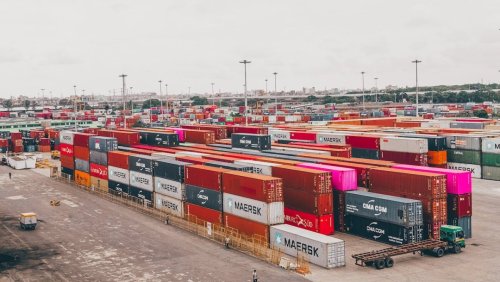
West Africa has emerged as one of the world's most dynamic import markets for chemicals and industrial raw materials, driven by rapid urbanisation, growing manufacturing capacity, and infrastructure expansion. The 16-country bloc, led by Nigeria, Ghana, Côte d'Ivoire, and Senegal, collectively imported an estimated USD 19.2 billion worth of chemicals, fertilisers, plastics, and related industrial inputs in 2024, up from USD 10.5 billion in 2018, representing a compound annual growth rate (CAGR) of approximately 10.6%.
This market guide provides an authoritative overview of: which product categories are most in demand; where those products are sourced and why; the competitive positioning of key supplier nations; and the structural trends shaping import patterns across the region.
|
MARKET SNAPSHOT West Africa's chemical and industrial material imports surpassed USD 19 billion in 2024, more than doubling in six years. China, India, and the European Union together account for over 70% of all imports by value. |
1. Market Size & Year-on-Year Growth
The chart below illustrates the trajectory of chemical and industrial material imports across four primary categories from 2018 to 2024. Two events significantly disrupted the trend: the COVID-19 pandemic caused a sharp contraction in 2020 across all categories, while the energy and commodity price shocks of 2021–2022 drove a dramatic rebound and subsequent surge, particularly in fertiliser costs following supply disruptions from Russia and Ukraine.

Figure 1: West Africa Chemical & Industrial Imports by Category (2018–2024, USD Billions)
The chemicals category, comprising base chemicals, solvents, paints, adhesives, cleaning agents, and speciality compounds, has consistently been the largest segment. Industrial raw materials (including steel billets, aluminium, copper, glass, and construction aggregates) represent the second-largest category and are directly correlated with infrastructure spend. Fertilisers experienced the most volatile trajectory, peaking sharply in 2022 as global grain security concerns drove stockpiling behaviour. Plastics and polymers have grown the most steadily, underpinned by the expansion of consumer goods manufacturing, packaging, and construction across the region.
|
Category |
2020 (USD B) |
2022 (USD B) |
2024 (USD B) |
CAGR 18–24 |
|
Chemicals |
$3.8B |
$5.9B |
$6.8B |
+8.8% |
|
Industrial Raw Materials |
$2.9B |
$5.1B |
$6.0B |
+11.1% |
|
Fertilizers |
$1.6B |
$3.4B |
$3.3B |
+10.6% |
|
Plastics & Polymers |
$1.3B |
$2.5B |
$3.1B |
+14.1% |
|
TOTAL |
$9.6B |
$16.9B |
$19.2B |
+10.6% |
Table 1: West Africa Import Values by Category (Selected Years)
2. Key Product Categories in Demand
2.1 Chemicals
Demand for chemicals spans the full value chain. In the consumer goods segment, surfactants and oleochemicals are imported for soap and detergent manufacturing, a critical industry in markets like Nigeria (population 220 million) and Ghana. Construction has driven rising demand for epoxy resins, sealants, and waterproofing compounds. The oil and gas sector, particularly in Nigeria, Ghana, Côte d'Ivoire, and Senegal (a new frontier market after major offshore gas finds), generates sustained demand for speciality drilling chemicals, corrosion inhibitors, and process chemicals.
Pharmaceutical raw materials (APIs and excipients) represent a fast-growing sub-segment, as regional manufacturing capacity improves. Cleaning and hygiene chemicals surged post-pandemic and have remained at elevated demand levels.
2.2 Fertilisers & Agrochemicals
Agriculture employs more than 60% of the workforce across West African countries. NPK (nitrogen-phosphorus-potassium) compound fertilisers are the dominant import, supplemented by urea (nitrogen), DAP (diammonium phosphate), and micronutrient blends. Nigeria alone imports an estimated 1.5 million tonnes of fertilisers annually. Herbicides, fungicides, and insecticides (agrochemicals) are also material imports, predominantly sourced from India and China.
The 2022 spike was triggered by the Russia-Ukraine conflict: Ukraine supplies approximately 16% of global ammonia, and Russia over 20% of global urea exports. West African buyers scrambled for alternative supply, a dynamic that has permanently altered sourcing conversations across the region.
2.3 Plastics, Polymers & Petrochemicals
Polyethene (PE), polypropylene (PP), PVC, and PET resins are high-volume imports supporting packaging, agriculture (irrigation pipes, mulch films), construction (pipes, fittings), and automotive sectors. The rise of informal and formal recycling industries in Lagos, Accra, and Abidjan has begun to create downstream demand for recycled polymer grades, though virgin material imports continue to dominate.
2.4 Industrial Raw Materials
Steel billets and hot-rolled coil support a growing domestic re-rolling industry, especially in Nigeria, Ghana, and Côte d'Ivoire. Flat glass, float glass, and container glass are imported to supply a manufacturing sector that lacks sufficient domestic float glass capacity. Aluminium ingots and scrap feed smelters and extrusion plants. Copper cathodes are essential for the electrical and telecoms infrastructure build-out occurring across the sub-region.
3. Sourcing Origins & Supplier Analysis
The origin of chemical and industrial imports to West Africa is shaped by price competitiveness, product availability, credit terms, shipping routes, and bilateral trade relationships. The following table summarises the principal source nations by product category.
|
Product Category |
Primary Supplier(s) |
Share of Imports |
Secondary Suppliers |
|
Base Chemicals & Solvents |
China, India |
~52% |
Germany, Belgium, USA |
|
Specialty Chemicals |
Germany, France, USA |
~38% |
Netherlands, UK, China |
|
Fertilisers (NPK, Urea) |
Morocco, China, Russia |
~61% |
Ukraine, Egypt, Saudi Arabia |
|
Agrochemicals |
India, China |
~70% |
Germany, Switzerland |
|
Plastics & Polymers |
China, Saudi Arabia, UAE |
~58% |
India, South Korea, Europe |
|
Steel & Metal Products |
China, Turkey, India |
~67% |
Ukraine, Brazil, Europe |
|
Float & Container Glass |
China, UAE |
~65% |
Turkey, India |
|
Pharmaceutical APIs |
India, China |
~75% |
Europe, USA |
Table 2: Principal Import Origins by Product Category
3.1 China: The Dominant Supplier
China is the single largest supplier of chemicals and industrial materials to West Africa by volume and, increasingly, by value. Chinese exporters compete primarily on price, offering unit costs 20–45% below equivalent European-origin products across most commodity, chemical and industrial categories. Key advantages include:
Massive domestic overcapacity in chemicals, steel, glass, and polymers, enabling competitive export pricing.
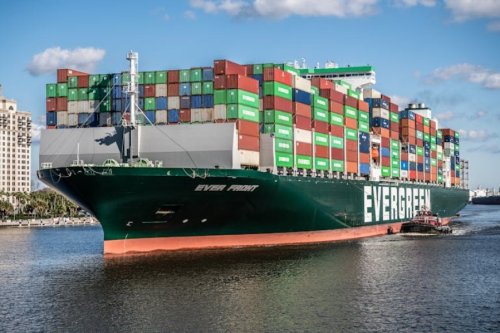
Government-subsidised logistics through the Belt and Road Initiative, with direct container shipping services from Chinese ports (Shanghai, Ningbo, Guangzhou) to Lagos, Tema, Abidjan, and Dakar.
Willingness to extend trade credit and participate in deferred-payment structures, which is critical in markets with foreign exchange constraints, such as Nigeria and Ethiopia.
Breadth of product range: Chinese suppliers can offer a full basket of chemical intermediates, packaging, and industrial inputs from a single source, reducing procurement complexity.
The principal counterarguments to Chinese sourcing centre on quality consistency, documentation reliability for regulatory compliance (especially for pharmaceutical and food-grade chemicals), and growing concerns around supply chain resilience following COVID-era logistics disruptions. Buyers report that Chinese product quality has improved significantly since 2018, particularly from tier-1 manufacturers, though smaller Chinese exporters remain inconsistent.
|
SOURCING INSIGHT Chinese-origin chemicals can cost 20–45% less than European equivalents on a landed basis. However, quality control, documentation standards, and lead times remain areas requiring careful supplier qualification. |
3.2 India: The Specialist Challenger
India has aggressively expanded its share of West African chemical and agrochemical exports since 2016, capitalising on its established pharmaceutical and fine chemicals industries. Indian suppliers offer a compelling middle ground: pricing typically 10–25% below European levels but with better quality documentation than lower-tier Chinese exporters. Specific strengths include:
India is the world's 4th largest agrochemical producer; Indian generic formulations of patented pesticides offer 30–40% cost savings over branded equivalents. Agrochemicals & Crop Protection:
India supplies ~75% of all pharmaceutical raw materials imported to the region, with WHO-GMP certified facilities a baseline expectation in West African tenders. Pharmaceutical APIs:
For West Africa's significant textile sector, Indian reactive dyes and auxiliaries dominate. Dyes & Textile Chemicals:
Indian state-owned enterprises (IFFCO, KRIBHCO) are significant fertiliser exporters, particularly to Francophone markets. Urea & Fertilisers:
3.3 Europe (Germany, France, Netherlands, Belgium): The Premium Tier
European chemical exports to West Africa are concentrated in speciality, performance, and regulated categories where quality, regulatory documentation, and technical service justify higher cost. These include:
Speciality coatings, adhesives, and sealants for the oil & gas industry.
Laboratory reagents and process chemicals for mining (gold, bauxite) and oil refining.
Food-grade and pharmaceutical-grade chemical ingredients where EU documentation (REACH compliance, COAs, safety data sheets) is mandated.
High-performance construction chemicals for major infrastructure contracts funded by multilateral development banks (which often impose European procurement standards).
European suppliers maintain a strong network of local distributors and technical representatives in Nigeria, Ghana, and Côte d'Ivoire. This on-the-ground technical support is a meaningful differentiator in high-value segments and partially offsets the price premium for buyers who require post-sale support.
3.4 Morocco & the Middle East: Fertiliser Powerhouses
Morocco, through OCP Group (Office Chérifien des Phosphates), is the world's largest phosphate rock and phosphoric acid exporter, and has strategically positioned itself as the preferred fertiliser supplier for sub-Saharan Africa. OCP's geographic proximity, African Union membership, and long-term supply agreements with governments and national fertiliser blending companies give it a structural advantage over North American, Russian, or Middle Eastern phosphate suppliers for West African buyers. OCP has also invested in blending facilities in Nigeria, Ghana, Ethiopia, and Côte d'Ivoire.
Saudi Arabia (SABIC) and the UAE (ADNOC, BOROUGE) are major suppliers of polyolefins and petrochemicals, with competitive pricing relative to European producers and direct shipping connections to West African ports.
4. Supplier Comparison: Why Buyers Choose Which Origin
|
Factor |
China |
India |
Europe/USA |
Middle East/Morocco |
|
Price Competitiveness |
★★★★★ |
★★★★☆ |
★★☆☆☆ |
★★★★☆ |
|
Product Quality |
★★★☆☆ |
★★★★☆ |
★★★★★ |
★★★★☆ |
|
Documentation / Compliance |
★★★☆☆ |
★★★★☆ |
★★★★★ |
★★★★☆ |
|
Shipping Speed to W. Africa |
★★★★☆ |
★★★☆☆ |
★★★★☆ |
★★★★★ |
|
Credit / Payment Terms |
★★★★★ |
★★★★☆ |
★★☆☆☆ |
★★★☆☆ |
|
Technical Support |
★★☆☆☆ |
★★★☆☆ |
★★★★★ |
★★★☆☆ |
|
Supply Reliability |
★★★★☆ |
★★★★☆ |
★★★★★ |
★★★★★ |
|
Range / Breadth of Products |
★★★★★ |
★★★★☆ |
★★★★☆ |
★★★☆☆ |
Table 3: Supplier Nation Comparison Matrix (★ = 1 point, ★★★★★ = 5 points)
5. Structural Trends Shaping the Market
5.1 Currency & Forex Constraints
Nigeria's naira volatility and the CFA franc's periodic pressures have significantly complicated import financing. In 2023-24, the naira's devaluation from ~460 NGN/USD to over 1,500 NGN/USD effectively doubled the local-currency cost of imports, forcing buyers to renegotiate with suppliers on pricing, payment terms, and volumes. Importers are increasingly seeking suppliers offering USD-denominated credit lines or consignment structures.
5.2 African Continental Free Trade Area (AfCFTA)
The full implementation of AfCFTA is projected to gradually shift sourcing patterns as intra-African trade in fertilisers, petrochemicals, and basic chemicals increases. Morocco, South Africa, and Egypt are positioned as regional chemical hubs. In the near-to-medium term, however, intra-African trade remains limited by logistics, quality standards, and industrial capacity constraints.
5.3 Local Content Pressure
Governments across the region, most notably Nigeria's NCDMB (Nigerian Content Development and Monitoring Board), are imposing local content requirements on oil & gas procurement. This is driving demand for local chemical blending and formulation, which in turn increases imports of raw chemical inputs (to be blended locally) versus finished formulated products.
5.4 Sustainability & ESG Requirements
Multinational consumer goods companies operating in the region (Unilever, Nestlé, P&G, AB InBev) are imposing ESG sourcing requirements on their local suppliers, creating downstream demand for certified-sustainable chemical inputs, RSPO-certified palm-based oleochemicals, low-VOC solvents, and biodegradable surfactants. This is a niche but fast-growing segment in which European and some Indian suppliers have a clear advantage over Chinese producers.
6. Market Entry Considerations for Suppliers
For chemical and industrial material exporters targeting West Africa, the following factors are critical to commercial success:
Appointing a well-capitalised, technically competent local distributor is the most reliable route to market in Nigeria, Ghana, and Côte d'Ivoire. Direct sales are rare outside large tenders.
Distribution Partnership:
Chemical and pharmaceutical raw materials require registration with the National Agency for Food and Drug Administration and Control. This process can take 6–18 months and should be initiated before commercial shipments begin.
NAFDAC / Regulatory Registration (Nigeria):
Industrial materials, including steel, polymers, and construction chemicals, may require SON conformity marks under mandatory standards.
Standards Organisation of Nigeria (SON) Certification:
Offering Letters of Credit (LC) at sight or deferred LC (90–180 days) is table stakes for market entry. Suppliers unwilling to extend trade credit will lose consistently to Chinese competitors.
Trade Finance Readiness:
Apapa Port (Lagos) suffers from chronic congestion. Suppliers and distributors routing through Tin Can Island Port or using container freight stations (CFSs) closer to Lagos industrial zones can reduce clearing times by 30–50%.
Port Logistics Awareness:
West African customs authorities frequently reclassify imported chemical products to higher-duty categories. Suppliers should provide detailed technical documentation and HS code guidance to prevent clearance delays and unexpected duty assessments.
West Africa's chemical and industrial material import market will continue to grow at above-global-average rates through the decade. Population growth, urbanisation, and expanding manufacturing activity are structural tailwinds that will persist regardless of short-term commodity price cycles. The market's USD 19.2 billion 2024 valuation is projected to exceed USD 28 billion by 2030 on the current trajectory.
China will remain the dominant supplier by volume, but buyers are actively diversifying away from single-source dependence, a lesson hard-learned during the 2020–2021 supply disruptions. Indian suppliers are gaining share in agrochemicals and pharmaceuticals. Morocco's OCP is locking in fertiliser supply through long-term government-to-government agreements. European suppliers are defending their position in high-value speciality segments.
For importers, the strategic imperative is to build resilient, multi-source supply chains that balance the price advantages of Asian suppliers against the quality, compliance, and service capabilities of European and regional African alternatives. For exporters, success will require investment in local distribution, trade finance flexibility, and genuine technical engagement with end-users.