
Global Unpaid Invoices Are Rising: Understanding Statutes of Limitations in International Debt Collection
Unpaid invoices in global trade are increasing, creating cash‑flow challenges for businesses. Learn how statutes of limitations differ by country and how they impact international debt collection efforts.
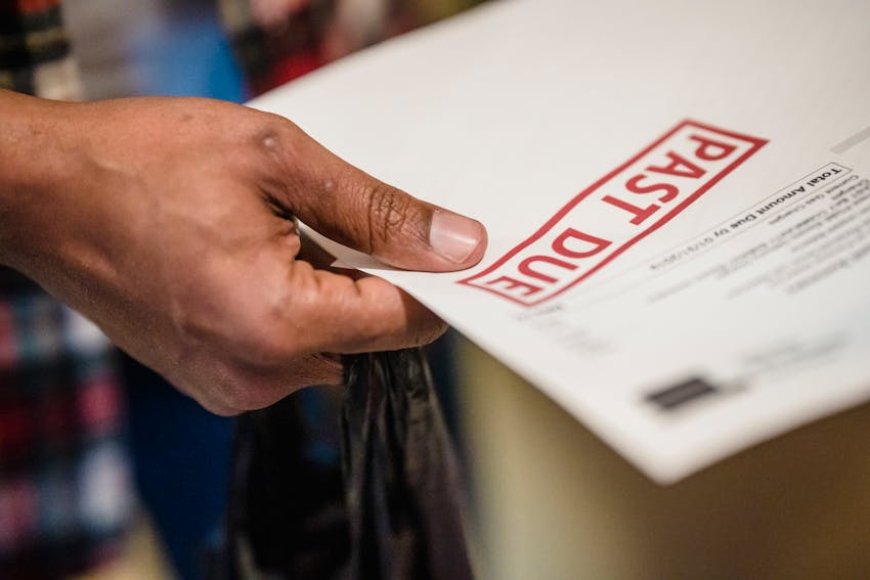
Unpaid invoices in international trade are becoming an increasingly significant concern for businesses of all sizes. As global commerce expands, so does the volume of cross‑border transactions, and with it, the number of overdue or uncollected payments. These unpaid invoices don’t just create administrative headaches; they directly impact cash flow, operational stability, and long‑term financial planning.
In the United States, nearly half of all B2B invoices become overdue each year. When transactions cross borders, the risk grows even further. Currency fluctuations, differing regulatory environments, inconsistent banking practices, and longer payment transfer times all contribute to delays. Globally, payment lags for international invoices can stretch to an average of 59 days, creating a ripple effect that slows supply chains, strains working capital, and increases the need for specialised international debt recovery services.
Collecting overdue invoices across borders is rarely straightforward. Each country has its own legal framework governing how debts can be pursued, what methods are permitted, and, critically, how long creditors have to take action. These time limits, known as statutes of limitations, determine whether a creditor can still enforce a debt through legal channels. Once a debt becomes “time‑barred,” legal action is no longer possible, even if the debt itself still exists.
Understanding these timelines is essential for any business engaged in international trade. Beyond the statute of limitations, factors such as amicable (non‑court) recovery options, local debt collection regulations, and treaties governing the enforcement of foreign judgments all influence the likelihood and speed of successful recovery. Because these rules vary widely, businesses often rely on legal professionals or international debt collection agencies to navigate the complexities.
Below is an expanded overview of general statute‑of‑limitations guidelines for commercial debts across major regions. These are broad reference points; specific cases may differ, and local legal advice is always recommended.
What Is the Statute of Limitations in Debt Collection?
The statute of limitations sets the maximum period during which a creditor can initiate legal proceedings to recover a debt. Once this period expires, the debt becomes “time‑barred,” meaning the creditor cannot sue the debtor to enforce payment. While collectors may still attempt to recover the debt through communication, the debtor is no longer legally obligated to pay. This makes timely action essential, especially in international cases where delays are common.
Statutes of Limitations by Region
Europe
- France: 5 years from the date the commercial debt becomes due
- Germany: 3 years, beginning at the end of the year in which the debt became due
- United Kingdom: 6 years for most contractual debts
- Italy: 10 years for commercial debts
- Spain: Generally, 5 years for personal debts; business‑related debts may vary
North America
- United States: Varies by state, typically 3–6 years in states like California and New York; up to 10 years in Rhode Island. The UCC sets a 4‑year limit for most commercial debts, though states may differ.
- Canada: Typically 2–6 years depending on the province (e.g., 2 years in Ontario and British Columbia; 6 years in Newfoundland and Labrador).
Latin America
- Brazil: 5 years for most debt collection actions
- Argentina: 10 years for contractual debts
- Mexico: Generally 5 years, depending on the type of debt
Asia
- China: 3 years under the Civil Code; the period resets if the debtor acknowledges the debt
- Japan: 5 years for commercial debts
- India: 3 years for most debts, with exceptions for specific categories
- Middle East & North Africa
- United Arab Emirates: Typically 10 years, though some business debts may have shorter limits (e.g., 3 years)
- Saudi Arabia: 5 years for most claims, with judicial discretion influencing enforcement
- Egypt: 15 years for general contractual debts
Africa
- South Africa: 3 years for most unsecured debts; certain debts (e.g., mortgage bonds) may extend up to 30 years
- Nigeria: 6 years for most commercial debts under the Limitation Act
Why These Timelines Matter for Global Businesses
For companies operating internationally, understanding these limitations is more than a legal formality; it’s a strategic necessity. Delayed action can result in lost revenue, while proactive monitoring of invoice ageing can significantly improve recovery rates. Many businesses now integrate automated reminders, credit‑risk assessments, and international collection partners into their workflows to reduce exposure.
As global trade continues to expand, so does the importance of having a clear, structured approach to managing overdue invoices. Knowing when a debt is still enforceable and when it isn’t helps businesses prioritise recovery efforts, allocate resources effectively, and protect their financial health.
ExporterIQ trade directory can help you identify verified and registered international debt collection companies, ready to assist you in recovering your unpaid invoice.












Comments (0)