
Nigeria Extends Ban on Raw Shea Nut Exports, A Policy Shift That Mirrors Ghana’s Cashew-Sector Overhaul
Tinubu approves a fresh one‑year shea nut export ban. Learn how Nigeria’s policy aligns with Ghana’s cashew overhaul to boost local processing and value addition
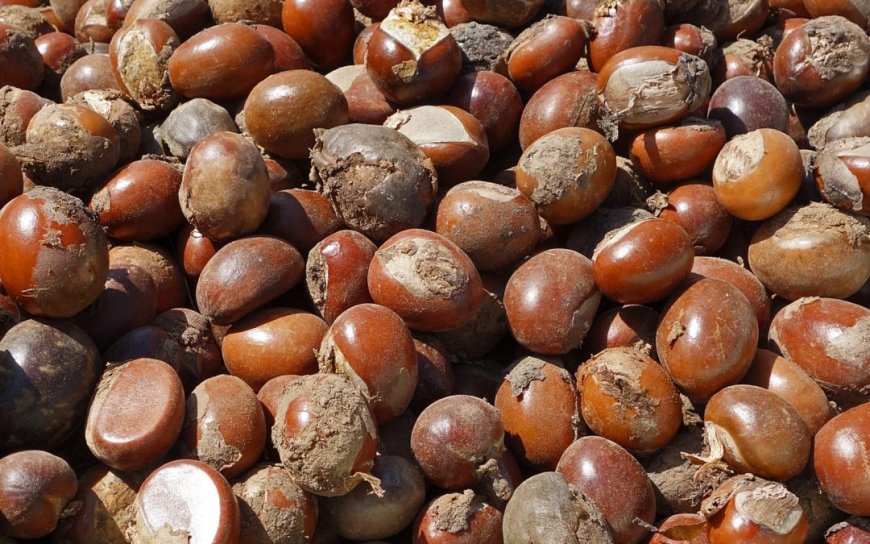
Nigeria’s agricultural landscape is shifting again as President Bola Tinubu approves a fresh one‑year extension of the ban on exporting raw shea nuts. While the decision has sparked debate across the value chain, it also signals a broader trend emerging across West Africa: a deliberate move away from exporting raw commodities and toward building competitive, value‑added processing industries.
Interestingly, this policy direction echoes a major transformation already underway in Ghana’s cashew sector, a shift that has been widely discussed for its boldness and long‑term economic implications. When viewed side‑by‑side, Nigeria’s shea‑nut ban and Ghana’s cashew reforms reveal a shared regional strategy: keep raw materials at home, build processing capacity, and capture more value locally.
Why Nigeria Extended the Shea Nut Export Ban
The renewed ban is part of a long‑term effort to stop the outflow of raw shea nuts, which are often exported cheaply to processors abroad. Once processed, these nuts become high‑value products used in:
- Beauty and skincare
- Food manufacturing
- Pharmaceuticals
- Global wellness brands
Nigeria has historically earned only a fraction of the potential revenue because most of the value is added outside the country. By restricting raw exports, the government aims to:
- Strengthen domestic processing
- Create rural jobs
- Boost non‑oil export earnings
- Position Nigeria as a global supplier of finished shea products
- It’s a strategy rooted in industrialisation rather than short‑term trade gains.
A Clear Parallel: Ghana’s Groundbreaking Cashew Policy Shift
Ghana recently introduced a transformative policy in its cashew sector, one that restructured how raw nuts are traded, priced, and exported. The goal was similar: stop the leakage of raw commodities and build a stronger local processing ecosystem.
While the specifics differ, the underlying logic is the same.
Read: Ghana’s Groundbreaking Policy Shift in the Cashew Sector: What It Means for the Future
How the Ban Affects Nigerian Farmers
For farmers, the policy brings a mix of opportunity and uncertainty.
Potential Upsides
- Local processors may offer more stable demand.
- Prices could improve as processors compete for supply.
- Government and private investment may expand training, aggregation, and storage.
Short‑Term Challenges
- Farmers who relied on raw‑nut exporters may face temporary disruptions.
- Transitioning to a more structured value chain requires support and coordination.
Ghana’s experience shows that when reforms are paired with farmer‑centric policies, such as minimum pricing, organised buying systems, and processor incentives, the sector becomes more resilient.
What This Means for Nigerian Processors
Local processors are positioned to benefit the most. With raw nuts staying in the country, processors can scale production and meet rising global demand for shea‑based products.
Expected gains include:
- More consistent raw‑material supply
- Increased investment in processing plants
- Better export opportunities for refined shea butter
- Stronger bargaining power in global markets.
The Road Ahead for Nigeria’s Shea Industry
The extension of the shea‑nut export ban is not just a trade restriction; it’s a signal of intent. Nigeria wants to build a stronger, more profitable shea industry that benefits farmers, processors, and exporters alike.
But success will depend on:
- Coordinated support for farmers
- Investment in processing infrastructure
- Transparent pricing systems
- Stronger export pathways for finished products












Comments (0)