

















Legislation Introduced to Curtail Non-Resident Importers' Ability to Import Goods Into the U.S.
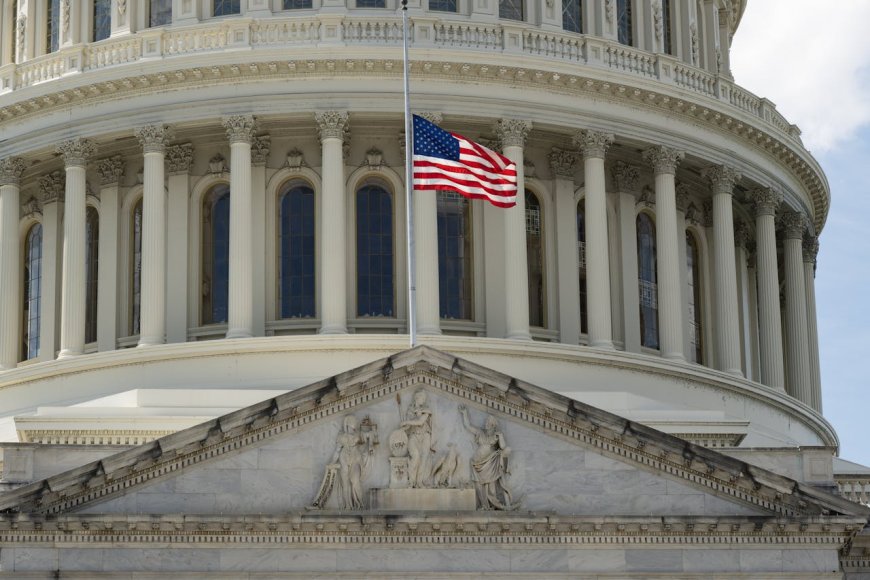
On March 9, 2026, Senator Bill Cassidy and Congressman Jodey Arrington introduced a bicameral bill called the Securing Accountability in Foreign Entries Act, better known as the SAFE Act. If passed, this legislation would mark one of the most significant changes to U.S. customs law in decades, fundamentally reshaping how foreign companies bring goods into the United States.
What the Current Rules Allow
Under existing practice, foreign businesses without any physical presence in the U.S. can still act as the importer of record for their own shipments. To do so, they simply need to obtain an importer of record number from U.S. Customs and Border Protection (CBP), post a bond, and designate a U.S. agent for service of process. This has been a widely used pathway for international businesses shipping directly to American customers.
What the SAFE Act Would Change
The SAFE Act would amend the Tariff Act of 1930 to require that all importers of record maintain a genuine connection to the United States. Under the bill, only the following would qualify:
- U.S.-based firms that employ at least one full-time U.S. citizen or green card holder
- Foreign affiliates of U.S. companies, provided they have at least a three-year operating history, a minimum of 1,500 employees, and at least $1 million in annual revenue, and only if the U.S. parent company is jointly liable for any duties owed
- Canadian or Australian companies, which would retain eligibility under the bill
Notably, the bill would prohibit individuals from serving as importer of record for more than one party, with a narrow exception for licensed customs brokers employed by major carriers like FedEx or UPS.
A Door Left Open for Other Countries
The legislation does include a provision allowing U.S. authorities to extend importer of record eligibility to companies from other countries, but only after determining that those countries offer comparable access to U.S. entities seeking the same status abroad. This reciprocity mechanism could eventually broaden the bill's reach beyond Canada and Australia, though that would require a formal determination on a country-by-country basis.
Stricter Financial and Compliance Requirements
Beyond the eligibility changes, the SAFE Act introduces several new compliance obligations for importers of record:
- Higher bond requirements, along with new restrictions on using customs brokers' bonds to cover entries
- Bank account verification, requiring that duties be paid from accounts where the financial institution has completed anti-money laundering customer identification checks, a process that must be completed before any new importer's first entry
- Routing information, with importers required to provide CBP with a bank account and routing number on file
Implementation Timeline
Should the bill become law, CBP would have 360 days to publish regulations explaining how it plans to verify whether an importer of record actually meets the new requirements. Importantly, the bill explicitly bars CBP from relying on assurances from customs brokers or sureties as a verification method, a notable restriction given how central those parties have traditionally been to the import process.
Why This Matters
For many foreign businesses that currently ship goods directly into the U.S. market without a domestic footprint, the SAFE Act would require a significant operational rethink. Some may need to establish a U.S. entity, partner with a qualifying affiliate, or restructure their supply chain arrangements entirely. Trade compliance professionals and importers alike will want to monitor this bill closely as it moves through Congress.